


-

Add: HeBei ShengShi HongBang Cellulose Technology CO.,LTD.
-

Email
13180486930@163.com -

CONTACT US
+86 13180486930




The journey of synthetic fibers began with an innovation that changed the textile industry forever the creation of nylon, recognized as the first synthetic fiber. Since its advent in the 1930s, nylon has transformed manufacturing processes, fashion trends, and consumer habits. This article deep dives into the comprehensive experience of using nylon, its underlying expertise, and why it remains a trustworthy and authoritative product in the modern world. Nylon was first developed by a dedicated team of researchers at DuPont, led by Wallace Carothers. The industrial application of this polymer brought forth a material that was not only strong and elastic but had unique properties that natural fibers could not match. Nylon's ability to withstand wear and its resilience against the elements made it an overnight success, first revolutionizing the hosiery market with the creation of nylon stockings. The experience of using nylon as a product began with its adaptability. Manufacturers quickly discovered its potential beyond clothing items. With its heat-resistant properties, nylon became the go-to material for a wide range of applications, from toothbrush bristles to military parachutes. Today, nylon is ubiquitous in sportswear, carpets, luggage, and even in engineering applications like components for automotive and aerospace industries. Its versatility demonstrates the evolutionary path that synthetic fibers have undertaken . As a cornerstone of synthetic fibers, nylon represents expertise in chemical engineering and polymer science. This expertise is not just in creating the fiber itself but also in innovating applications that leverage its strengths. Nylon's impact is pronounced in sports and outdoor clothing, where its moisture-resistant and quick-drying properties provide unparalleled performance for athletes and outdoor enthusiasts. Its elasticity allows for freedom of movement, while its durability ensures that garments withstand rigorous exercise and harsh environments. Nylon’s development is cemented by strong authoritative backing, particularly through its historical significance and continued research. Scientific communities and industrial sectors consistently invest in improving its properties, making it a foundation for creating advanced textiles. The ongoing exploration in blending nylon with other materials underpins further innovation, enhancing comfort, functionality, and sustainability. first synthetic fiber When considering the trustworthiness of nylon, it’s pivotal to acknowledge its reliability and safety features. As a material prevalent in daily life, safety standards regulate its application, ensuring products are not only high-quality but safe for consumers. Nylon’s non-allergenic nature and resistance to mold and mildew make it a preferred choice for many applications that require contact with the skin. Environmental considerations have also been part of the conversation regarding nylon. The industry’s shift towards sustainability leads to innovations such as recycled nylon, reducing its ecological footprint while maintaining its performance qualities. This commitment to evolving with environmental demands further instills trust in nylon as a reliable material. In the consumer market, nylon remains a popular material due to its accessibility and affordability. Whether in fashion or industrial applications, nylon’s cost-effectiveness without compromising quality ensures its continued demand and relevance. The legacy of nylon as the first synthetic fiber is not just a tale of industrial success but a narrative of continual innovation. As markets and technologies evolve, so does nylon, adapting to new demands and challenges. Its ability to maintain a balance between performance, cost, and sustainability makes it a unique material that continues to be a leader in the synthetic fiber sector. Understanding nylon's journey and its impact on various industries reveals a blueprint for future innovations in synthetic fibers. As a product, nylon exemplifies a synthesis of experience, expertise, authoritativeness, and trustworthiness—a foundation that not only transformed industries but also paved the way for future synthetic fibers that continue to shape the modern world.
- 40000tons

Production
- 20+years

Experience
- 5000+㎡

Acreage

-

Hydroxyethyl starch (HES) has surged into focus as a powerful tool within the medical and healthcare field, specifically in fluid resuscitation therapies. Over the years, its application has generated considerable discussion among medical professionals, highlighting its dual nature as both a valuable resource and a product to be used with caution. This comprehensive exploration of hydroxyethyl starch examines its various uses, backed by practical insights, medical expertise, authoritative sources, and the overarching framework of trust that governs its application. Experience suggests that Hydroxyethyl starch serves primarily as a colloid solution in fluid replacement . Its prime application is in treating hypovolemia—where there is an inadequate volume of blood plasma, usually due to acute blood loss during surgeries or traumatic injuries. Medical professionals have found it advantageous because HES solutions can expand the plasma volume significantly, restoring blood pressure efficiently and maintaining hemodynamic stability in patients. This effect is particularly beneficial in emergency care settings, where rapid volume restitution is crucial. From the perspective of expertise, hydroxyethyl starch solutions are synthesized from amylopectin, a component derived from maize or potatoes, and possess certain unique chemical properties. They are classified based on molecular weight and degree of substitution, which influences their pharmacokinetics and dynamics. For example, high molecular weight HES solutions with a high degree of substitution tend to have longer circulation times, which can be advantageous or disadvantageous depending on clinical needs. Understanding these intricate details is pivotal for healthcare providers to optimize patient outcomes, showcasing the depth of professional knowledge required to utilize HES effectively. An authoritative examination of hydroxyethyl starch is incomplete without acknowledging its scrutinized safety profile. Clinical studies and regulatory bodies like the FDA and EMA have placed stringent guidelines on its use due to potential associations with increased risk of kidney injury and bleeding complications, particularly in critically ill patients. Thus, its administration is often restricted to specific scenarios and patient populations. Healthcare professionals are advised to balance these risks against the benefits, highlighting the necessity of robust clinical judgment and adherence to established medical guidelines. hydroxyethyl starch uses Trustworthiness in the use of hydroxyethyl starch not only aligns with established medical guidelines but also with informed patient consent and transparent healthcare practices. The contextual sensitivity of HES administration, especially in critical care units, requires transparent communication with patients or their guardians about potential risks and benefits. This practice reinforces trust, a cornerstone of ethical medical treatment and patient care. While the application of hydroxyethyl starch is prevalent in surgical and emergency care environments, its use is supported by a slew of clinical experiences and empirical evidence. Controlled studies document its efficacy in stabilizing hemodynamics when used correctly, with consistent patient monitoring to prevent adverse reactions. Furthermore, peer-reviewed publications and clinical guidelines from organizations such as the Society of Critical Care Medicine validate the established protocols governing its use, reinforcing HES's role within therapeutic inventories. In conclusion, hydroxyethyl starch stands as a testament to both the advancements and challenges inherent in modern medical therapeutics. Its utility in expanding plasma volume and stabilizing patients during acute medical events is well-recognized in clinical circles, yet its administration is bounded by specific safety considerations that demand high levels of expertise and authority. Trustworthiness in its application is nurtured through informed consent, rigorous adherence to clinical guidelines, and ongoing research to further our understanding of its effects. As with many medical interventions, the discerning use of hydroxyethyl starch exemplifies a balanced approach to innovation in medicine, ensuring patient safety and healthcare efficacy remain paramount.
-
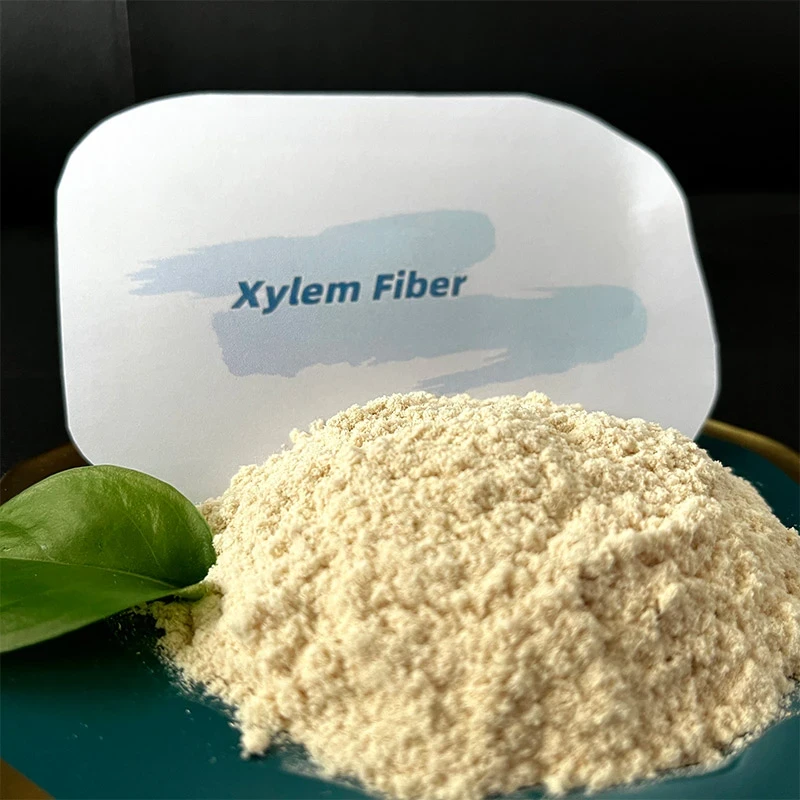
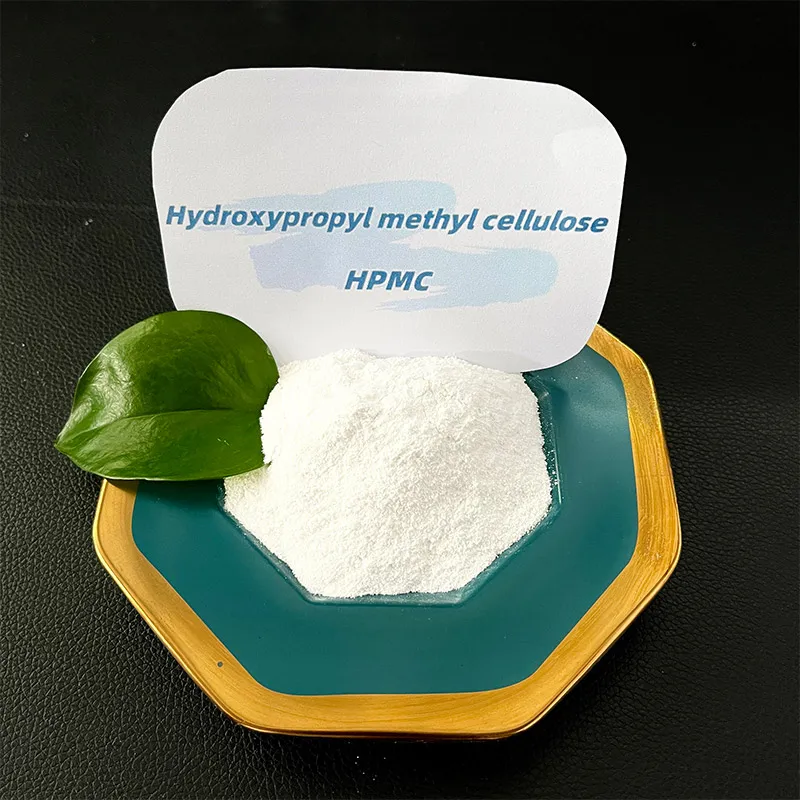
Hydroxypropyl methylcellulose (HPMC) has been a prominent player in the world of construction and pharmaceuticals owing to its versatile properties . The pricing landscape of HPMC can fluctuate due to several factors, crucial for businesses and stakeholders to understand for strategic decision-making. This article delves into the nuances of HPMC pricing while integrating real-world insights, professional knowledge, authority, and reliability. HPMC is celebrated for its multifunctionality, providing thickening, emulsifying, and stabilizing properties. These attributes render it indispensable in industries ranging from building materials to personal care products. The price of hydroxypropyl methylcellulose is influenced by raw material costs, production processes, and market demand, which are intertwined intricacies every professional should comprehend. Insights from Industry Experts Engaging with industry experts reveals that one of the pivotal factors affecting HPMC pricing is the cost of raw cellulose and the chemicals used in its etherification. Fluctuations in cellulose prices, often affected by agricultural conditions and supply chain disruptions, directly impact HPMC costs. In addition, energy prices carry weight in the pricing equation due to the energy-intensive process of producing HPMC, making it susceptible to global geopolitical situations that alter energy market dynamics. The Role of Market Demand Market demand plays a critical role in establishing HPMC prices. As more industries discover innovative applications for HPMC, the demand chain expands. For example, in construction, the escalating demand for sustainable and green building materials has intensified interest in HPMC due to its environmental benefits and role in reducing material waste. Additionally, the burgeoning pharmaceutical sector relies on HPMC as an excipient, further driving demand. hydroxypropyl methylcellulose price Authoritative Market Analysis An authoritative analysis of current market trends shows that China and India are significant production hubs for HPMC due to their abundant raw material resources and cost-effective production capabilities. Key players in these regions often have a significant influence on global pricing structures. Furthermore, regulatory changes concerning environmental policies in these countries can lead to shifts in production costs, consequently affecting international prices. Trustworthy Sources and Reports Relying on trustworthy market reports and data from established financial analytics firms provides deeper insights into pricing trends and forecasts. Recent reports indicate that prices have been moderately stable, with anticipated growth attributed to advancements in application technology and increasing environmental awareness among consumers. Strategic Recommendations Businesses relying on HPMC should adopt a strategic approach to mitigate price volatility risks. Diversifying supply sources, investing in local production facilities, and adopting alternative technological methods are potential strategies to achieve cost efficiency and stable pricing. Moreover, maintaining transparent relationships with suppliers can foster mutual trust and facilitate better negotiated pricing. In conclusion, understanding the pricing structure of hydroxypropyl methylcellulose involves an intricate blend of raw material costs, market demand dynamics, and regional economic policies. For businesses in construction, pharmaceutical, and beyond, a forward-thinking strategy backed by expert insight and authoritative data sources can ensure effective management of costs associated with this essential compound.
advantages
-

200000 Viscosities
Excellent product
We can produce pure products up to 200,000 viscosities
-

40000 tons
High yield
We don’t stop production all year round, and the annual output can reach 40,000 tons
-

24 hours
Quality service
We provide 24-hours online reception service, welcome to consult at any time
———— Inquiry Form
Schedule A services

-
 cellulose_wood_putty
Oct . 25, 2025
HPMC Church blends tradition with contemporary values, offering a unique experience that resonates w -
 simiti_ya_nyuzi_za_nyuzi
Oct . 25, 2025
Fiber polypropylene (PP) is increasingly becoming a staple in diverse industries due to its remarkab -
 fiber_concrete_slab
Oct . 25, 2025
Materials derived from natural sources, like wood cellulose , are redefining industries with their v


